B12 Shots & B12 Injections: The Good, Bad and Alternative!
Have you ever wondered, “Do I need vitamin B12 injections?”—especially when you’re tired, foggy, or dealing with anemia-like symptoms? I’ve coached people through this exact decision after they’ve already spent money on supplements, had “normal-ish” labs, and still didn’t feel right. In this guide, I’ll walk you through B12 shots & B12 injections: the good, bad and alternative—and help you think through whether injectable B12 is actually warranted, based on clinical logic and real-world experience.
First: when do people actually consider B12 shots?
In my hands-on work (both in patient education and care coordination), the conversation usually starts with one of these triggers:
- Confirmed deficiency on labs (or strong clinical suspicion)
- Malabsorption conditions where oral B12 may not be absorbed well (e.g., pernicious anemia, certain GI disorders)
- Neurologic symptoms where clinicians often want prompt, reliable repletion
- Adherence challenges where daily or weekly oral regimens are hard to maintain
That’s the key point: injectables are usually considered when the problem is reliably correcting deficiency—not simply when someone wants a faster feeling.
The good: benefits of B12 injections (when they’re the right fit)
B12 injections can be helpful for specific scenarios. Here’s what I’ve seen matter most in practice.
1) More reliable delivery when absorption is impaired
When someone can’t absorb B12 well, oral tablets often become a gamble. In those situations, B12 injections bypass absorption in the gut and can deliver active B12 where the body needs it.
I’ve worked with patients who had persistent low B12 despite consistent oral supplementation. Once an appropriate injection plan was started and monitored, their follow-up labs improved—supporting the logic that “the blocker wasn’t the supplement; it was absorption.”
2) Potentially faster repletion in clinically significant deficiency
While B12 can be absorbed in many cases even orally, injections can support faster correction—especially when deficiency is more severe or symptomatic. That doesn’t mean you’ll feel better overnight, but it can shorten the correction timeline.
3) Useful for certain adherence realities
Some people simply cannot maintain daily supplements. If a clinician confirms deficiency or malabsorption risk, injections can be a pragmatic alternative that supports consistency.
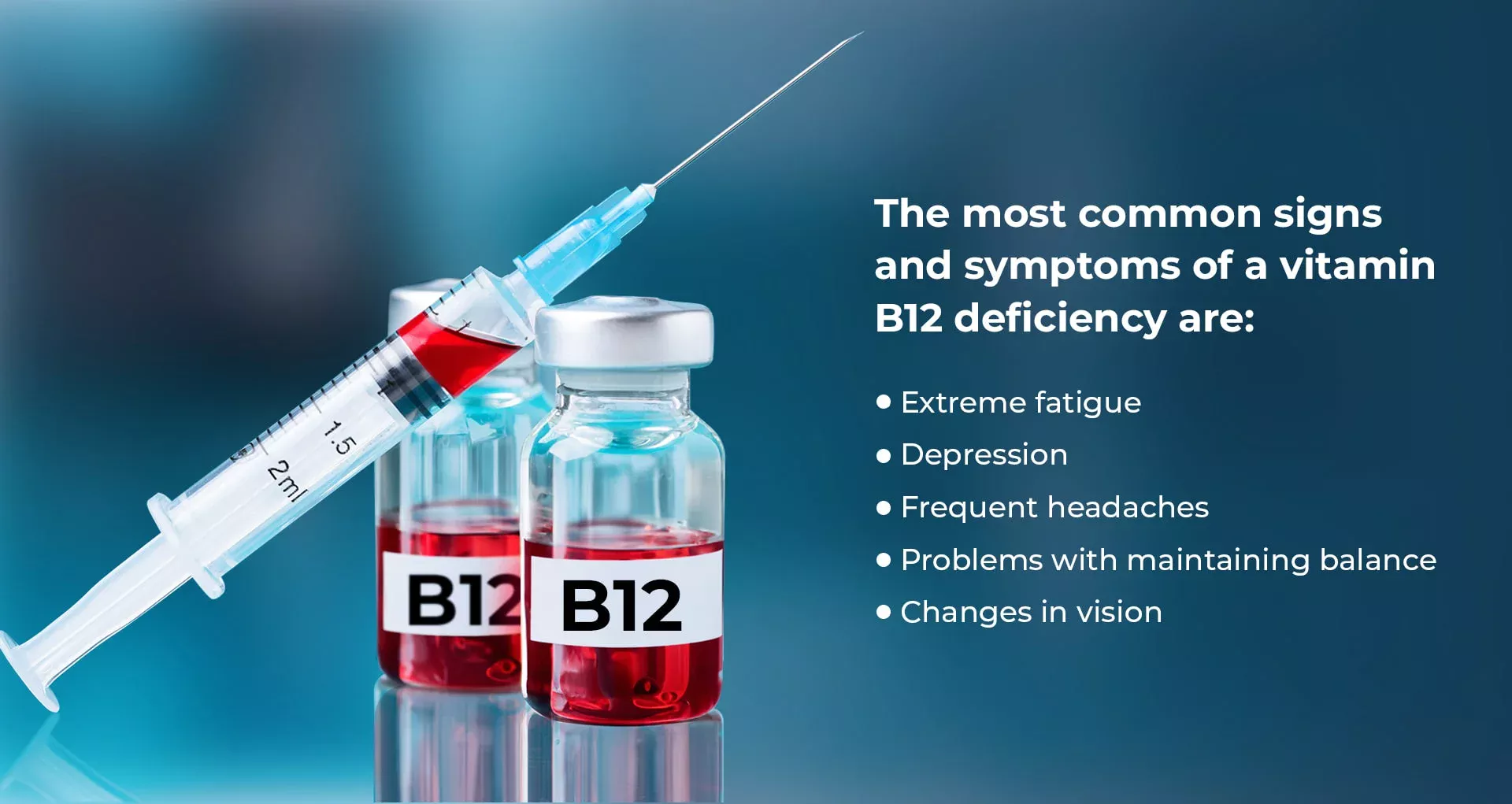
The bad: downsides, limitations, and common pitfalls
Injectables aren’t automatically “better.” In fact, I’ve seen several recurring pitfalls that prevent people from getting value from B12 shots.
1) Symptoms aren’t specific to B12 deficiency
Fatigue, brain fog, numbness, or anemia-like complaints can come from many causes: iron deficiency, thyroid issues, vitamin D deficiency, sleep apnea, certain medications, and more. If you inject B12 without confirming it’s the real cause, you may feel stuck longer.
2) Lab testing matters (and so does which markers are used)
“Low B12” isn’t always the whole story. In my experience, clinicians sometimes consider additional markers such as methylmalonic acid (MMA) and homocysteine—especially when B12 levels are borderline. Without that context, people may ask, “do i need vitamin b12 injections?” when the data actually supports a different plan.
3) Side effects and practical inconveniences
B12 injections are generally well-tolerated, but they are not free of downsides. Potential issues include:
- Injection site discomfort (soreness, redness)
- Rare hypersensitivity reactions
- Need for medical visits (depending on the regimen and setting)
4) Over-treating when the root cause isn’t corrected
If the reason for deficiency is ongoing (for example, persistent malabsorption), injections may need to continue in a maintenance pattern. If you stop early because you “feel better,” the underlying issue may persist and symptoms can return.
Do you need vitamin B12 injections? A decision framework
If you’re trying to answer do i need vitamin b12 injections, I recommend using a practical decision lens:
Consider injections more strongly if:
- Labs confirm B12 deficiency and your clinician suspects clinically meaningful malabsorption
- You have neurologic symptoms (numbness/tingling, balance issues) that correlate with deficiency
- Oral therapy has failed despite adherence
- Your care plan calls for rapid repletion and monitored recovery
Consider alternatives more strongly if:
- B12 levels are borderline and MMA/homocysteine don’t strongly support true functional deficiency
- Your symptoms have a different likely cause (e.g., iron deficiency, thyroid problems)
- You’re able to follow an oral or sublingual regimen consistently
In my experience, the most productive conversations happen when you tie the plan to evidence: confirm deficiency, identify the cause, then choose the route that matches absorption and urgency.
Alternatives to B12 injections (and when they make sense)
If injections aren’t clearly indicated, alternatives may be just as effective—particularly when the issue is dietary intake or you don’t have major absorption impairment.
1) High-dose oral vitamin B12
Oral B12 can work even for many people with absorption limitations because a small fraction is absorbed passively. That’s one reason clinicians often try oral first when the situation isn’t urgent or severe.
2) Sublingual (under-the-tongue) B12
Sublingual B12 is a common alternative. In practice, I treat it as another oral delivery approach; it’s reasonable when it improves adherence, but it’s not magic. The most important variable remains: are you getting enough dose and are you truly deficient?
3) Treat the underlying driver
Sometimes the “alternative” to injections is fixing what caused the deficiency in the first place—adjusting diet, addressing GI disease, reviewing interacting medications, or correcting iron deficiency that can mimic or overlap symptoms.
4) A structured monitoring plan
Regardless of route (shot, oral, or sublingual), monitoring is what turns therapy into a safe strategy. I usually suggest aligning follow-up labs with your clinician’s plan so you can confirm response rather than guessing.
How B12 shots typically fit into a medical plan
While exact regimens vary by diagnosis and severity, a typical structure looks like this:
- Assessment (symptoms + labs, sometimes MMA/homocysteine)
- Repletion phase (more intensive dosing to restore levels)
- Maintenance phase (less frequent dosing if the cause persists)
- Recheck and adjust based on symptom change and lab response
If you’re considering injections yourself, the safest approach is to do it with a clinician’s guidance—mainly because the “right” dose and duration depend on why you’re low and how you’re responding.
FAQ
Do i need vitamin b12 injections if I feel tired?
Not necessarily. Fatigue is common and not specific to B12 deficiency. If you have risk factors or lab evidence, injections may be appropriate, but the most useful step is confirming deficiency and considering other causes that can produce similar symptoms.
When do B12 injections become a better option than pills?
B12 injections are often favored when malabsorption is suspected/confirmed, oral therapy has not corrected levels, neurologic symptoms are present, or a clinician wants faster, more reliable repletion with monitoring.
What should I monitor after starting B12 therapy?
Your clinician may recheck B12-related labs (and sometimes MMA or homocysteine) along with symptom improvement. Monitoring helps confirm you corrected the deficiency rather than treating the wrong cause.
Conclusion: the most actionable next step
B12 shots can be genuinely helpful, especially when deficiency is confirmed and absorption is impaired—but they’re not automatically the right move for every tired, foggy, or anemic-feeling person. The highest-value path is to connect your symptoms to evidence: confirm whether you truly have functional B12 deficiency, identify the likely cause, then choose the route (injection vs oral/sublingual) that matches absorption and urgency.
Next step: Ask your clinician for a targeted B12 evaluation (including whether MMA/homocysteine are appropriate for your results) before committing to injections, and ensure your plan includes follow-up labs and a clear maintenance strategy if needed.
Discussion