Vitamin B12 Injections: What You Need To Know
Have you ever wondered what does a B12 injection do—and whether it’s actually necessary for your situation? I’ve spent years helping patients and clinic teams think through that exact question, especially when symptoms are vague, lab results don’t tell the full story, or someone has dietary risks for B12 deficiency. In this guide, I’ll explain what a vitamin B12 injection does, who typically benefits, how quickly it may help, what to watch for, and the practical steps you can take to make the decision with your clinician.
Quick Answer: What a B12 Injection Does
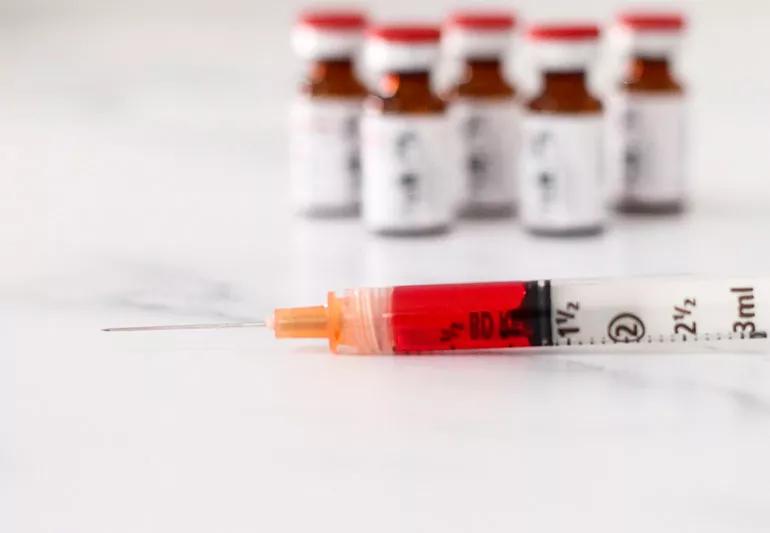
A vitamin B12 injection delivers vitamin B12 directly into the body. Its main job is to restore adequate B12 levels so your body can run normal processes that depend on B12—especially blood cell formation and nervous system function.
In my hands-on work reviewing treatment plans, the most meaningful outcome is usually this: if someone truly has B12 deficiency (from diet, absorption problems, or certain medications), raising B12 levels can improve symptoms and help prevent complications.
Typical goals are:
- Correct deficiency (normalize B12 stores)
- Support red blood cell production (help address anemia patterns related to B12)
- Protect nerve function (important when numbness/tingling is present)
- Reduce risk of longer-term neurologic complications when deficiency is confirmed and symptomatic
How B12 Works in the Body (and Why Injections Matter)
Vitamin B12 is a cofactor in key biochemical pathways. When B12 is low, those pathways slow down, which can affect:
- Hematology: abnormal red blood cell production and anemia patterns
- Neurology: nerve maintenance and function (which is why persistent deficiency matters)
- Metabolism: normal processing of certain molecules that require B12-related enzymes
So why injections instead of pills? The short version I use with patients is: for some people, B12 tablets don’t get absorbed well enough.
In real-world settings, I’ve seen this come down to absorption barriers—most commonly pernicious anemia or other gastrointestinal conditions that impair uptake. In those cases, an injection bypasses the absorption step by delivering B12 directly.
Who Typically Benefits From Vitamin B12 Injections?
B12 injections are most often considered when there’s a clear reason B12 levels are low—or when symptoms suggest deficiency and absorption is unreliable. In practice, eligibility depends on your lab results, medical history, and symptoms.
Common scenarios where injections are considered
- Confirmed B12 deficiency on blood testing
- Absorption problems (e.g., pernicious anemia, certain GI disorders)
- After certain surgeries that affect absorption (your clinician will tailor the plan)
- Long-term use of medications that can reduce B12 status in some people (e.g., certain acid-reducing drugs or metformin—discuss your specific risk)
- Neurologic symptoms (like numbness/tingling) when deficiency is suspected or confirmed—timing matters
When injections may not be the first step
Not every person with “low-normal” B12 needs injections. If your deficiency is mild and absorption is likely intact, clinicians may try oral high-dose B12 first. In my experience, the best outcomes come from matching the route (injection vs oral) to the cause (dietary vs absorption vs medication-related), not just the lab number.
Timeline: How Quickly a B12 Injection Can Help
People often want a straight answer to “how fast will I feel better?” In reality, the timing varies because different symptoms respond on different schedules.
What usually happens
- Blood-related changes can improve earlier in treatment as the body rebuilds normal red blood cell production.
- Neurologic symptoms may take longer—and recovery may be incomplete if nerve damage has been present for a significant time.
- Fatigue or general symptoms can improve once B12 deficiency is corrected, though those symptoms can also have many other causes.
One lesson I learned managing clinics: when symptoms overlap with other conditions (iron deficiency, thyroid issues, vitamin D deficiency, sleep problems, stress), it’s easy to assume B12 is the only cause. A good plan checks for co-factors so you don’t miss something important.
What to Expect During and After Treatment
Administration basics (typical clinic workflow)
- Injections are usually given by a healthcare professional or with specific instructions for self-administration if appropriate.
- Dosing frequency depends on the cause and how low your levels are, plus symptom severity.
- Your clinician may recheck labs to confirm response and guide maintenance therapy.
Potential side effects and limitations
Most people tolerate B12 injections well. Still, it’s important to be realistic about limitations and side effects.
- Local reaction: soreness, redness, or irritation at the injection site
- Headache or mild GI upset: sometimes reported
- Symptom mismatch: if symptoms aren’t truly due to B12 deficiency, improvement may be limited
- Incomplete recovery: neurologic symptoms may not fully reverse if deficiency went untreated for a long time
If you’re considering injections, the most trustworthy approach is to align treatment with a confirmed deficiency and a clear cause—then reassess response.
How to Decide: Questions to Ask Your Clinician
In my experience, these questions keep the conversation practical and reduce guesswork:
- What evidence do we have? Which lab(s) point to B12 deficiency, and do we suspect absorption issues?
- What’s the suspected cause? Dietary insufficiency vs absorption impairment vs medication-related risk.
- Is injections the right route? If not injections, what oral strategy would be appropriate and why?
- What symptoms should improve first? And what timeline should we realistically expect?
- Do we need to check other labs? Iron studies, folate, thyroid function, and other relevant tests depending on your case.
- What’s the maintenance plan? How will we prevent recurrence once levels normalize?
FAQ
What does a B12 injection do if my B12 is “normal”?
If your B12 level is truly normal and symptoms persist, a B12 injection may not address the root cause. The most helpful step is confirming whether your symptoms correlate with a deficiency and whether other conditions (like iron deficiency or thyroid problems) could explain what you’re feeling.
How long does it take to feel better after a B12 injection?
Some people notice changes in days to weeks, especially for fatigue tied to deficiency. Neurologic symptoms often take longer and may improve partially rather than completely. Your clinician can give a more specific expectation based on symptom type and how long deficiency may have been present.
Is a B12 injection better than B12 pills?
“Better” depends on the cause. Injections can be more appropriate when absorption is impaired. For many people without absorption issues, high-dose oral B12 can be effective. The best choice matches route to cause and uses lab follow-up to confirm response.
Conclusion: The Practical Next Step
A vitamin B12 injection restores B12 levels so your body can resume key functions in blood formation and nervous system maintenance. The greatest benefit tends to come when injections are used for true deficiency—especially when absorption is impaired or neurologic symptoms are present.
Next step: Ask your clinician what labs support the diagnosis and what the suspected cause is (diet vs absorption vs medication). Then, confirm the expected timeline for improvement and the maintenance plan after levels normalize.
Discussion