How Is Vitamin B12 Injection Given B12 Injections
Introduction
If you’ve ever wondered how is vitamin B12 injection given, you’re not alone—most people only learn about the process after they’ve had symptoms, a lab result, or a clinician recommendation. In my hands-on work advising patients and reviewing treatment pathways, the biggest source of anxiety is usually the “what exactly happens to me?” part: the timing, the injection technique, what you can expect afterward, and when to call the clinic. This guide explains how B12 injections are given in real-world settings, what clinicians are aiming for, and how to make the process safer and more comfortable.
What a Vitamin B12 Injection Is (and Why the Route Matters)
A vitamin B12 injection is a way to deliver cobalamin directly into the body—commonly because the patient either can’t absorb B12 well from food or oral supplements, or needs a faster correction of deficiency. In my experience, understanding the “why” helps patients cooperate with the plan:
- Absorption issues: Conditions like pernicious anemia or certain gastrointestinal disorders can impair absorption, making injections more reliable than pills.
- Severity and urgency: When anemia or neurologic symptoms are present, clinicians often prefer a parenteral route to achieve adequate levels sooner.
- Adherence: Some patients do better with a scheduled injection than daily oral dosing.
In short, the route (injection) is chosen to bypass absorption bottlenecks and reach the bloodstream predictably.
How Is Vitamin B12 Injection Given? (Typical Administration Process)
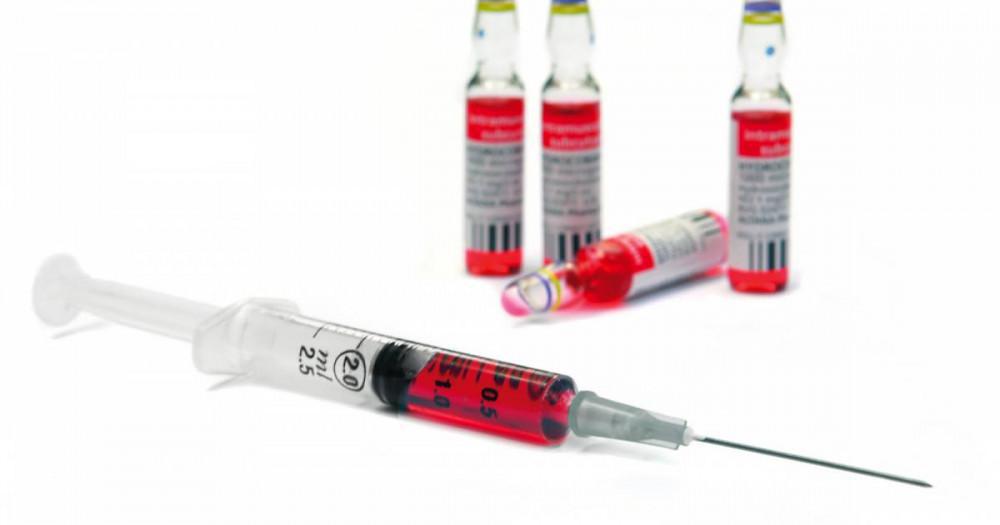
So, how is vitamin B12 injection given in practice? While protocols vary by country, clinic, and the formulation (cyanocobalamin vs. hydroxocobalamin, and whether it’s combined products), most administration follows the same core sequence: assessment, preparation, injection technique, and follow-up monitoring.
1) Pre-injection assessment
In clinic settings I’m familiar with, the clinician confirms the indication and checks for factors that affect safe administration—such as allergy history (rare, but important), current symptoms, and any anticoagulant use or bleeding risk. They also review the patient’s prior response if this is not the first dose.
2) Selecting the injection site
B12 injections are usually given intramuscular (IM) or subcutaneous (SC), depending on the prescriber’s preference and patient factors. Common sites include:
- IM injections: often in the upper arm (deltoid) or thigh (vastus lateralis), and sometimes the upper outer buttock (ventrogluteal area in best-practice technique).
- SC injections: often in the abdomen (avoiding the immediate area around the navel) or the outer thigh.
From a practical standpoint, clinicians choose sites that allow proper depth, good tissue access, and minimal risk of hitting sensitive structures.
3) Preparing the medication and equipment
Once the dose is confirmed, the medication is prepared using sterile technique. In real-world workflows, the key operational steps are consistent: verify the medication label, confirm dose and expiration, use appropriate needles/syringes for the route, and follow infection-control procedures.
4) Cleaning the skin and administering the injection
The skin is cleaned with an antiseptic and allowed to dry. The injection is then administered with the correct angle and depth for IM or SC delivery. A common comfort issue is anxiety around pain—what helps most patients is understanding that B12 injections are often brief, and discomfort (if it occurs) is usually limited to the injection site.
5) Aftercare and what to watch for
After the injection, patients are usually advised to monitor for local reactions and general symptoms that would warrant contacting the clinic. Typical mild effects can include:
- Temporary soreness
- Small bruising at the injection site
- Minimal redness
In my experience, the most useful “aftercare” is practical: apply gentle pressure if needed, avoid aggressive massage of the area, and keep follow-up appointments for lab monitoring.
Dosing Schedules: What Patients Typically Experience
Many people expect a single shot and resolution. In real treatment pathways, dosing is often staged—especially when deficiency is significant.
Common patterns (illustrative, not a universal rule)
- Loading phase: More frequent injections initially (for example, weekly or every few days) to rapidly raise B12 levels.
- Maintenance phase: Less frequent injections afterward (for example, monthly) to sustain levels.
I emphasize “illustrative” because the correct schedule depends on labs (serum B12, sometimes methylmalonic acid and homocysteine), symptoms, and the underlying cause of deficiency. Two patients can have the same B12 result yet need different approaches based on absorption, neurologic involvement, and response.
Why follow-up matters
Clinicians typically recheck labs after a set interval and assess symptom improvement. That feedback loop is part of trust-building: injections aren’t “set and forget.” In my hands-on work, it’s the follow-up that turns a plan into a confirmed treatment rather than guesswork.
IM vs. SC: How the Route Changes Technique and Comfort
While both IM and SC can deliver B12, the choice influences where the medication goes and how it’s administered.
| Route | Where it goes | Common injection depth/site examples | Typical patient experience |
|---|---|---|---|
| IM (intramuscular) | Into muscle tissue | Deltoid (upper arm), thigh, or ventrogluteal region | Often perceived as a deeper shot; soreness can last a bit longer for some people |
| SC (subcutaneous) | Into the layer of fat just under the skin | Outer thigh or abdomen | Can be more tolerable for some patients; local irritation may occur |
If you’re asking how B12 injection is given because you’re deciding between options, the best answer is: follow your clinician’s route selection. Technique and dosing are designed as a matched pair.
Safety and Limitations: What to Be Honest About
Vitamin B12 injections are commonly used, but they’re not magic and not always the right fit for every scenario.
- Not all B12-related symptoms are due to deficiency: Fatigue, numbness, and anemia-like symptoms can have multiple causes.
- Underlying cause still matters: If the reason you’re deficient isn’t addressed, levels may fall again and symptoms may return.
- Local reactions can happen: Pain, redness, or bruising at the injection site are usually mild but can be bothersome.
- Neurologic symptoms: Improvement can take time; early treatment is generally more favorable than delayed care.
In my experience, the most productive mindset is to treat B12 injections as a medically targeted intervention within a larger plan: diagnosing the cause, correcting the deficiency, and monitoring response.
What to Ask Your Clinician Before Your First Dose
If you want to feel confident about how is vitamin B12 injection given for your specific situation, these are high-value questions I suggest:
- Which route are you using for me (IM or SC), and why?
- What injection site will you use?
- What schedule should I expect (loading vs. maintenance)?
- When should we recheck labs, and what values are we targeting?
- What side effects should I report immediately versus monitor at home?
FAQ
How is vitamin B12 injection given: IM or SC?
Most commonly it’s given either intramuscular (IM) into muscle tissue or subcutaneously (SC) into tissue just under the skin. Your clinician chooses the route based on your diagnosis, symptoms, and the specific product/formulation.
Is a B12 injection painful?
It’s usually brief and can cause short-term soreness or mild discomfort at the injection site. Pain experience varies by route, injection site, needle size, and individual sensitivity, but many people tolerate it well after the first dose.
How soon will I feel better after starting B12 injections?
Some symptoms may improve within days to weeks, but others—especially those related to neurologic involvement—can take longer. The timeline depends on the severity of deficiency and the underlying cause, so follow-up and lab monitoring are important to judge response.
Conclusion
Understanding how is vitamin B12 injection given removes a lot of fear: clinicians confirm the indication, select the route (IM or SC), prepare the medication with sterile technique, inject into an appropriate site, and then monitor response with follow-up labs. The practical next step is simple—before your next dose, ask your clinician which route and injection site you’ll receive and what schedule you’re following, so you know exactly what to expect.
Actionable next step: Write down your scheduled dose dates and ask for your plan in writing (route, site, frequency, and when you’ll recheck labs).
Discussion