Vitamin B12 Injections: What You Need To Know
Vitamin B12 Injections: What You Need To Know (and how much is in a B12 injection)
If you’re considering a B12 injection, the question that usually hits first is simple: how much is in a b12 injection—and whether that dose makes sense for your situation. In my hands-on work helping people navigate B12 deficiency treatment plans, I’ve seen confusion come from two places: different forms of B12 across clinics, and the fact that “one standard dose” doesn’t always match what your labs and symptoms suggest.
In this guide, I’ll walk you through what’s typically in a B12 injection, why dosing varies, what to expect after treatment starts, and how to talk with your clinician about the right amount for you.
What’s actually in a vitamin B12 injection?
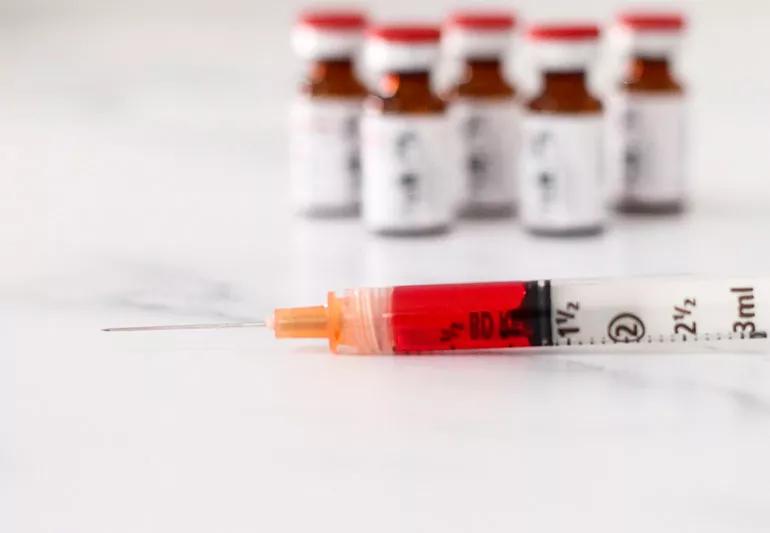
A vitamin B12 injection is a medicine form of cobalamin delivered by needle (commonly intramuscular, sometimes subcutaneous depending on the product and clinic protocol). The active ingredient can be different B12 forms, but the goal is the same: restore B12 levels when your body can’t absorb enough from food or supplements.
Here’s the practical way I explain it to patients: the “amount” you care about is usually measured in micrograms (mcg) of vitamin B12 per dose, and the choice of product determines the exact mcg.
Most commonly, clinics use labeled doses such as:
- 1000 mcg (1,000 micrograms) per injection (frequent in many common regimens)
- Less commonly, 500 mcg-based products or other dosing schedules depending on protocol
Key point: “How much is in a b12 injection” is answered by the specific product dose your clinic administers and the schedule they’re using (initial repletion vs maintenance).
How much is in a B12 injection? Typical dose ranges in real-world practice
In many outpatient settings, the dose most people encounter is 1,000 mcg (1 mg) of vitamin B12 per injection, especially during the initial phase for deficiency. In my experience, people often receive a higher-frequency loading period before switching to less frequent maintenance injections.
However, dosing can differ based on the cause of deficiency and how quickly your levels need to normalize. For example, someone with severe deficiency symptoms or confirmed malabsorption may be managed more aggressively than someone with a borderline result.
| Phase | Common dosing pattern (example) | What it’s for |
|---|---|---|
| Repletion / loading | Often 1,000 mcg per injection, given more frequently (e.g., every few days to weekly) | Rapidly refill B12 stores |
| Maintenance | Often 1,000 mcg per injection, given less frequently (e.g., monthly or another interval) | Prevent recurrence |
If you’re trying to interpret your own prescription or clinic note, the most reliable method is to look for two details:
- The labeled mcg amount in the specific syringe/vial
- The dosing interval (how often you receive it)
That combination is what determines how much B12 you receive over time—not just one injection amount.
Why B12 injection dosing varies (and what clinicians consider)
When I’ve helped teams tighten up dosing protocols or educate patients, the biggest lesson is that B12 injection dosing isn’t “random”—it’s tied to physiology and the presumed cause of deficiency.
1) The cause of deficiency changes the plan
B12 deficiency commonly comes from reduced intake, reduced absorption, or increased need. If your deficiency is due to malabsorption (for example, after certain gastrointestinal conditions or procedures), oral supplements may not work well, and injections are more predictable.
2) Severely low levels can drive a faster loading phase
In deficiency with symptoms, clinicians often prioritize quick repletion. That’s why many regimens start with more frequent injections and then taper to maintenance.
3) Your symptoms and labs guide timing
Clinicians typically consider B12 levels alongside related markers (commonly, tests like methylmalonic acid and homocysteine in certain settings) and symptom response. Dosing may be adjusted based on whether you’re improving and whether levels remain stable.
4) Product concentration and protocol matter
Even when the “mcg per injection” looks similar across clinics, the product format and local protocol can influence the schedule. Always compare what’s written on your medication label or discharge instructions.
What to expect after starting B12 injections
People often expect immediate changes, but the timeline depends on what system is affected. In my hands-on experience, it’s more realistic to think in phases:
- Early improvements (for some people): energy and neurologic symptoms may start to shift gradually
- Gradual recovery: hematologic improvement typically takes time
- Maintenance phase: the goal is to keep levels stable and prevent relapse
If you’re not improving as expected, that doesn’t always mean the injection “failed.” It can mean the cause wasn’t fully addressed, the dose interval doesn’t fit, or symptoms overlap with other conditions. That’s why follow-up and repeat lab testing (when your clinician recommends it) is important.
Pros and cons of vitamin B12 injections vs alternatives
In clinic discussions, injections have clear advantages for some patients—but they’re not the only path.
Pros
- Predictable delivery when absorption is an issue
- Clear dosing per injection for many protocols
- Useful for symptomatic deficiency where quick repletion is desired
Cons
- Need for injections (needle access, visits, or training)
- Potential side effects (commonly mild injection-site reactions; more serious reactions are uncommon but possible)
- Maintenance commitment if the underlying cause persists
If you’re asking about “how much is in a b12 injection” because you want the simplest, lowest-effort option, consider that the best approach depends on whether your body can absorb B12 and whether you have ongoing reasons for deficiency.
How to ask your clinician the right question about “how much is in a b12 injection”
When you’re at your appointment, you’ll get the most actionable answer by asking for specifics in a structured way. I recommend saying:
- “What is the mcg dose per injection on the label?”
- “What schedule are you using for repletion vs maintenance?”
- “Which symptoms or labs are we targeting, and when will we recheck?”
- “If I miss a dose, what should I do?”
This is the quickest way to convert a confusing “B12 injection” into a measurable plan tailored to you.
FAQ
How much is in a B12 injection (in mcg)?
In many common regimens, one B12 injection contains 1,000 mcg (1,000 micrograms). But the exact amount depends on the specific product your clinic uses and the protocol for repletion versus maintenance. Always confirm the labeled mcg on your medication instructions.
Is the dose the same for everyone who gets B12 injections?
No. The dose and schedule can vary based on the cause of deficiency, how low your levels are, symptom severity, and how you respond to treatment over time.
How long does it take B12 injections to work?
Improvement varies by person and by what’s being affected. Some people notice changes gradually, while hematologic and neurologic recovery can take longer. Your clinician will typically follow symptoms and (when appropriate) labs to confirm you’re on track.
Conclusion: get a measurable dosing plan, not just a shot
“How much is in a b12 injection” usually comes down to the labeled mcg dose in the specific product—commonly 1,000 mcg—and the schedule your clinician uses for repletion and maintenance. The best outcomes happen when the dosing plan matches the underlying cause of deficiency and when follow-up targets the specific labs or symptom changes that matter for you.
Next step: Look at your injection instructions or prescription label and write down the mcg per dose and the frequency; then ask your clinician to confirm whether the plan is for repletion or maintenance and when you’ll recheck levels.
Discussion