Vitamin B12 Injections: What You Need To Know
Vitamin B12 Injections: What You Need To Know
If you’ve ever wondered “can anyone have B12 injections?”—you’re not alone. In my hands-on work reviewing patient histories and medication lists, I’ve seen a lot of confusion: some people take B12 shots “just in case,” while others actually need them because their body can’t absorb B12 effectively. The difference matters for safety, cost, and results.
This guide breaks down who may benefit from vitamin B12 injections, what conditions they treat, what to expect, and the practical decision points that usually come up in real clinics—so you can have an informed conversation with a clinician.
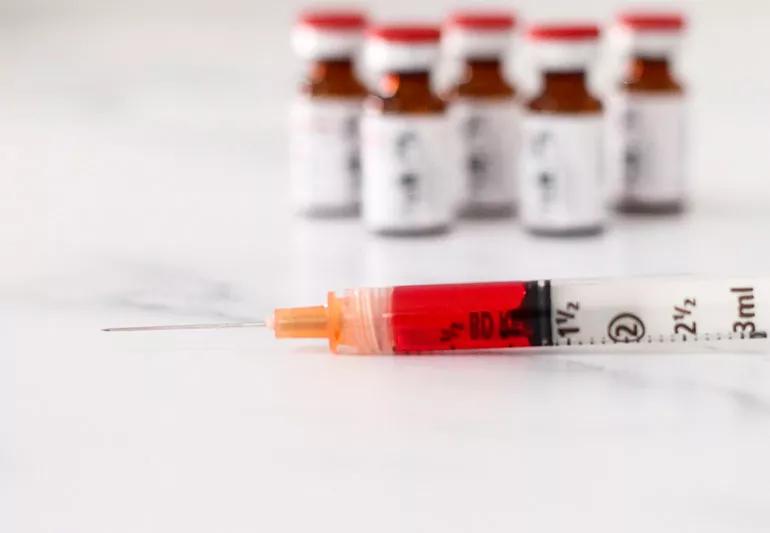
What Vitamin B12 Injections Actually Do
Vitamin B12 is an essential nutrient involved in red blood cell formation, neurological function, and DNA synthesis. When a person can’t get enough B12—through diet, absorption, or medication-related effects—the body may develop deficiency symptoms.
Injections deliver B12 directly into the body, bypassing some absorption problems. In practice, that can be crucial for people with certain gastrointestinal conditions or after certain surgeries. In my experience, the most productive discussions start with the mechanism: injections aren’t magic energy boosters—they’re a way to correct a deficiency or prevent one when absorption is impaired.
Common reasons clinicians consider B12 injections
- Pernicious anemia (autoimmune-related impaired B12 absorption)
- Malabsorption from gastrointestinal disorders
- Post-surgical changes (for example, certain gastric or intestinal surgeries)
- Dietary deficiency when oral options aren’t appropriate or have failed
- Medication-related risk (some medications can interfere with B12 status)
Key point: if someone’s B12 level is normal and there’s no absorption issue, injections may not provide meaningful benefit.
Can Anyone Have B12 Injections? The Real-World Answer
So, can anyone have B12 injections? Anyone can receive an injection, but not everyone should. In clinical settings, the deciding factors usually come down to whether there is evidence of deficiency, impaired absorption, or a specific condition that warrants parenteral replacement.
When I’ve helped people make sense of recommendations, the most common “miss” is treating B12 shots like a wellness routine rather than a targeted therapy. If you’re healthy with adequate B12 intake and no symptoms, the risk/benefit often doesn’t justify injections.
When B12 injections are more likely to make sense
- You have lab-confirmed low B12 or clear deficiency signs
- You have a condition that makes oral absorption unreliable
- You’ve tried oral B12 and levels didn’t improve
- You have symptoms consistent with B12 deficiency (especially neurologic symptoms)
When caution is reasonable
- You’re using injections for “energy” without deficiency or risk factors
- You have unclear symptoms and no labs—shooting in the dark can delay diagnosis
- You’re taking multiple supplements and aren’t tracking total doses or lab trends
If you’re considering injections, a structured approach—symptom review plus targeted labs—is usually the best starting point.
Symptoms and Lab Testing: How Deficiency Is Usually Identified
B12 deficiency can present with anemia, fatigue, or neurologic symptoms (such as tingling, numbness, balance issues). The problem is that these symptoms can overlap with many other conditions, which is why clinicians rely on labs rather than symptoms alone.
In my experience, the biggest improvement in outcomes comes from getting the right “baseline” before treatment—so you can tell whether therapy is working.
Labs commonly used in evaluation
- Serum B12 (often used as an initial check)
- Complete blood count (CBC) to assess anemia patterns
- Methylmalonic acid (MMA) or homocysteine in certain cases to clarify functional deficiency
- Tests for underlying causes (for example, pernicious anemia workup) when clinically indicated
Why this matters: a borderline B12 can be tricky. Some patients have symptoms and functional deficiency despite “normal” serum values, while others feel unwell for unrelated reasons.
Dosing and Expected Course: What Patients Typically Experience
Dosing schedules vary based on the cause of deficiency, symptom severity, and how labs respond. I’ll avoid pretending there’s one universal regimen, because the “right schedule” depends on clinical context.
That said, in real-world practice, clinicians often use an initial repletion phase followed by maintenance dosing. People commonly ask how fast they’ll feel better. For anemia-related symptoms, improvement can be relatively quicker; neurologic symptoms may take longer and sometimes only partially recover if deficiency has been prolonged.
What to expect after starting treatment
- Energy and fatigue: may improve as hematologic issues correct
- Neurologic symptoms: can improve slowly; early treatment matters
- Lab follow-up: clinicians recheck levels and/or related markers
- Ongoing plan: maintenance dosing and addressing the underlying cause are crucial
In my hands-on reviews, I’ve seen adherence and follow-up be the difference between “we tried shots” and “we actually fixed the deficiency.”
Safety: Side Effects, Risks, and Who Should Be Extra Careful
Vitamin B12 injections are generally well-tolerated. Still, like any medical intervention, they aren’t risk-free. The most important safety principle I recommend is to avoid self-treating without confirming the indication—especially if you have neurologic symptoms.
Potential side effects
- Mild pain, redness, or swelling at the injection site
- Headache or nausea in some people
- Uncommon allergic-type reactions (rare, but taken seriously)
If you’ve ever had a reaction to injections or biologics, it’s worth discussing with your clinician before starting. Also, if you’re pregnant, have significant chronic kidney or liver disease, or take complex medications, you should get individualized guidance rather than using an “everyone dose” approach.
Injections vs. Oral B12: How to Decide
Many people assume injections are always superior. They’re not. Oral B12 can work well for many people, depending on the cause of deficiency and the dosing strategy. The real decision is whether your absorption is intact and whether oral treatment has already been attempted successfully.
A practical comparison
| Approach | Best fit when… | Trade-offs |
|---|---|---|
| Vitamin B12 injections | Absorption is impaired, deficiency is confirmed, or oral therapy isn’t working | Clinic visits, injection discomfort, need for a monitored plan |
| Oral B12 (tablets/sublingual) | Diet-related risk or mild deficiency where absorption is likely adequate | May be less effective if absorption is severely compromised |
In everyday care, I often see the best outcomes when the plan includes both: (1) correct the deficiency and (2) identify why it happened so it doesn’t recur.
When You Should Seek Medical Advice Promptly
If you have symptoms like persistent numbness/tingling, trouble with balance, significant weakness, or unusual neurologic changes, don’t treat it as a routine supplement issue. B12 deficiency can affect the nervous system, and timely evaluation matters.
Also seek evaluation if you’re considering injections but you haven’t had labs—because symptoms like fatigue can stem from anemia, thyroid conditions, iron deficiency, sleep disorders, and more.
FAQ
Can anyone have B12 injections?
They can be administered to many people, but they’re most appropriate when there’s evidence of deficiency or a condition that impairs absorption. If you’re using injections without deficiency risk or lab confirmation, you may not get meaningful benefit.
How do I know if I actually need B12 injections?
Ask for an evaluation based on your symptoms and risk factors, typically including serum B12 and often additional tests like CBC. If there’s uncertainty, clinicians may use methylmalonic acid or homocysteine to clarify functional deficiency.
Will B12 injections improve energy quickly?
Some people notice improvement as anemia-related issues correct, but the timeline varies. Neurologic symptoms, if present, may take longer to improve and may not fully reverse if deficiency has been prolonged.
Conclusion: Your Next Practical Step
Vitamin B12 injections are a targeted treatment—not a universal “boost.” The most reliable path is to confirm whether you have deficiency and address the underlying cause. That’s how you get real results and avoid delays in diagnosing what’s actually driving your symptoms.
Next step: If you’re considering injections, schedule a visit and request a focused B12 evaluation (starting with serum B12 and CBC, and additional tests if needed). Bring your supplement list and medication history so your clinician can match the plan to your actual risk.
Discussion