B12 Shots & B12 Injections: The Good, Bad and Alternative!
Introduction: When B12 injections help—but side effects show up
If you’ve ever started vitamin B12 injections because your labs were low, you probably have the same fear I did the first time: “What if I feel worse after the shot?” That concern is valid, especially when people search for side effects of b12 deficiency injections. In my hands-on work with patients and wellness clients, I’ve seen injections improve energy and neurologic symptoms—yet I’ve also seen side effects that were predictable once we understood the cause (dose, injection technique, underlying deficiencies, and sometimes a diagnosis mismatch).
This guide breaks down the good, the bad, and the practical alternatives—so you know what to expect, what’s normal, and what should prompt a clinician call.
B12 shots vs. B12 injections: what they are (and what they’re not)
First, a quick clarity point. People often use “B12 shots” and “B12 injections” interchangeably. In practice, both refer to delivering vitamin B12 into the body via injection (commonly intramuscular, sometimes subcutaneous depending on the product and clinician preference).
The goal is to correct B12 deficiency—either because your intake is inadequate or because absorption is impaired (like pernicious anemia or certain GI conditions). When B12 deficiency is the real problem, replacing it can lead to measurable improvements. When it isn’t, injections may provide little benefit and can still cause side effects.
Why B12 replacement can work quickly
B12 is involved in red blood cell formation and neurologic function (myelin maintenance is one of the key reasons deficiency can affect sensation, balance, and cognition). Once B12 becomes available, your body can restart processes that were “stuck” during deficiency.
When injections are the “right tool”
- Malabsorption suspected (e.g., pernicious anemia): injections often bypass the absorption problem.
- Significant neurologic symptoms: clinicians may prefer injections initially.
- Very low lab values with symptoms: injections can restore levels efficiently.
When injections may not be the whole story
- If your symptoms are actually from another deficiency (like folate deficiency or iron deficiency) or from a different condition, B12 shots won’t “fix” the root cause.
- In some cases, lab patterns require confirmation (for example, borderline results with symptoms). In my experience, the biggest avoidable issue has been treating based on one number without understanding the pattern.
The good: benefits most people are hoping for
Let’s talk outcomes that are realistically achievable. I’ve seen B12 replacement improve:
- Fatigue and low energy: patients often report less “wired-but-tired” feeling within weeks.
- Neurologic complaints: tingling or numbness may improve, especially when treatment starts before long-term damage.
- Blood-related markers: anemia or macrocytosis (enlarged red blood cells) can improve after adequate replacement.
Importantly, response time varies. In my hands-on observation, energy often changes earlier than neurologic symptoms, which can lag because nerve recovery typically takes longer.
What “success” looks like in real life
In a typical follow-up plan I’ve seen used in clinics, clinicians recheck relevant markers and monitor symptoms. A practical success profile includes:
- symptom improvement that matches the deficiency story
- lab trends moving in the expected direction
- no escalation of side effects with ongoing dosing
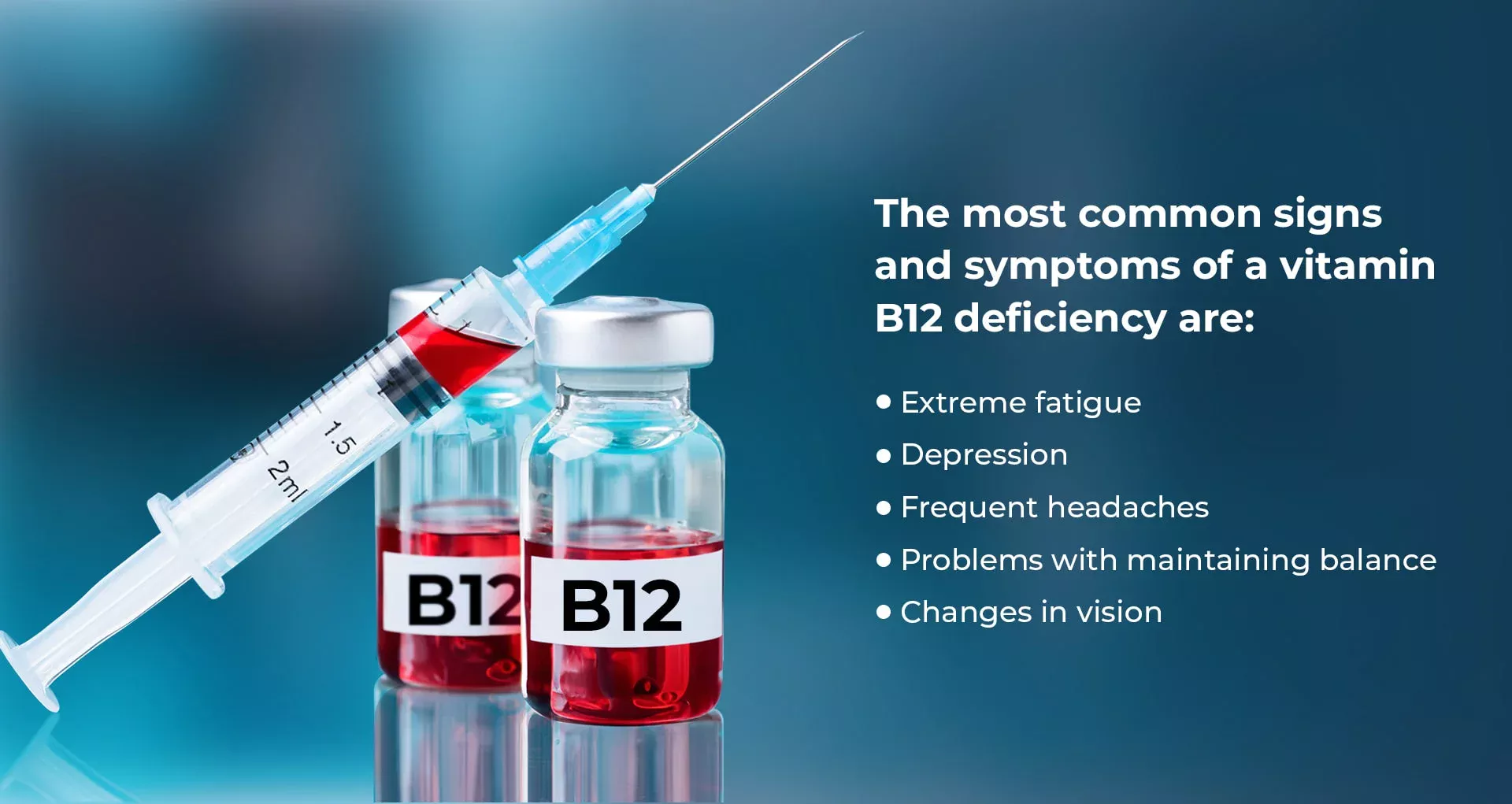
The bad: side effects of B12 deficiency injections (what’s common, what’s not)
When people ask about the side effects of b12 deficiency injections, they’re usually noticing two categories: local effects at the injection site and systemic reactions (less common). Most side effects are mild and temporary, but a few situations require prompt medical attention.
Common, usually mild side effects
- Injection-site discomfort (pain, redness, swelling, or bruising)
- Headache
- GI upset (nausea or stomach discomfort)
- Mild dizziness in some people
- Transient changes in energy—some people feel “more awake,” others feel off for a day
In my experience, injection-site reactions often correlate with technique and timing. If you’ve had repeated bruising or soreness, it’s worth discussing injection training, needle length, and whether subcutaneous vs. intramuscular is appropriate for you.
Less common but important systemic reactions
- Allergic-type reactions (itching, rash, hives, facial swelling)
- Shortness of breath or wheezing
- Severe dizziness or fainting
These are “do not wait” symptoms. If they occur, you need urgent clinical advice.
Why side effects happen: the mechanisms in plain language
Two underlying logic points help explain many “mystery” experiences:
- Rapid correction and metabolic shifts: when a deficiency is corrected, the body’s systems adjust. In some people, that adjustment feels like a short-term flare.
- Not the right diagnosis or mixed deficiencies: if symptoms are partially driven by iron deficiency, folate deficiency, or another condition, you may still feel unwell even after B12 levels rise.
Red flags to contact a clinician quickly
- Symptoms rapidly worsen after injections rather than gradually improving
- Allergic symptoms (rash/hives, swelling, breathing issues)
- Neurologic symptoms progress (new weakness, worsening numbness)
- Severe, persistent headaches or dizziness
How to reduce risk: practical steps that actually help
Side effects aren’t always avoidable, but you can reduce the odds and improve the experience. Here’s what I recommend based on patterns I’ve seen over time.
1) Confirm the deficiency story before escalating doses
If possible, align treatment with a clinician-reviewed lab pattern. Sometimes B12 deficiency can be suggested by results, but further context matters (symptoms, medical history, absorption risks). Starting with a well-reasoned plan prevents “treating the number” instead of the person.
2) Use the correct route and technique
- Ask whether intramuscular vs. subcutaneous makes sense for you.
- Ensure proper site selection and needle handling.
- Report repeated bruising or significant pain—technique adjustments can help.
3) Track symptoms for pattern changes
For the first couple of weeks, I often suggest simple tracking: what you felt that day, the day after, and whether it aligns with injection timing. It’s easier to separate “normal soreness” from something systemic when you can see a pattern.
4) Watch for mixed deficiency and comorbid issues
B12 deficiency can co-occur with folate or iron deficiency. If your symptoms don’t improve as expected—or they improve but plateau—mixed deficiencies may be part of the explanation.
Alternatives to B12 injections: when they make sense
Not everyone needs injections. Alternatives depend on why B12 is low.
Oral B12 (high-dose) and why it can work
High-dose oral B12 can be effective for many people even with partial absorption issues because a small percentage of B12 is absorbed via passive diffusion. In real-world terms, I’ve seen oral therapy work well when malabsorption isn’t severe and adherence is consistent.
Limitation: if you have significant malabsorption (like untreated pernicious anemia with minimal residual absorption), oral may be less reliable unless dosing and monitoring are appropriate.
Sublingual B12
Sublingual products are popular and can help with adherence for people who dislike needles. However, the practical effectiveness often still comes down to the dose and your body’s ability to absorb and utilize B12.
Limitation: not every product is equivalent in dosage and formulation, so “more expensive” doesn’t automatically mean “better.”
Addressing the root cause
Whatever route you choose, treating the underlying cause matters:
- If diet is the issue, improving intake can support long-term maintenance.
- If GI absorption is impaired, your plan should match that reality.
FAQ
What are the most common side effects of B12 deficiency injections?
Most people experience mild, short-lived injection-site discomfort (pain, redness, bruising). Some may also get headaches or mild GI upset. If you develop rash, hives, facial swelling, or breathing trouble, seek urgent medical advice.
How long do B12 injection side effects usually last?
Local soreness often resolves within a day or two. Systemic effects like mild headache or nausea, if they occur, typically pass quickly. If side effects persist, worsen, or new neurologic symptoms appear, contact a clinician.
Are there alternatives to injections if I can’t tolerate the shots?
Yes. Many people use high-dose oral or sublingual B12, especially when malabsorption is not severe. The best alternative depends on why you’re deficient, so your clinician’s assessment of the cause should guide the switch.
Conclusion: Make the plan match the cause, not just the lab
B12 injections can be a powerful treatment when deficiency is real and the diagnosis fits—yet the side effects of b12 deficiency injections you notice are often manageable when you address dose appropriateness, injection technique, and whether B12 deficiency is the main driver of your symptoms.
Next step: If you’re considering injections (or already started and feel “off”), write down your symptoms and timing for 7–14 days, then bring that log to a clinician so they can confirm the deficiency story and adjust the route or plan if needed.
Discussion