Vitamin B12 Injection Sites: All You Need to Know
Vitamin B12 Injection Sites: All You Need to Know
Getting the best place for b12 injections isn’t just a comfort question—it affects how reliably the dose absorbs, how likely you are to feel side effects, and how confidently you can self-administer (if that’s your plan). In my hands-on work with patients learning injection technique, I’ve seen the same pattern: people rush into the “where” and “how” without checking the injection site, needle angle, and tissue depth. That’s when you get unnecessary soreness, uneven results, or avoidable complications.
In this guide, I’ll walk you through common vitamin B12 injection sites (including intramuscular and subcutaneous options), what makes each site appropriate, how to choose with safety in mind, and practical tips that reduce discomfort.
First: Why Injection Site Matters for B12
Vitamin B12 is often prescribed as an injection when absorption is impaired (for example, certain causes of pernicious anemia, malabsorption syndromes, or when oral therapy isn’t sufficient). The “site” matters because it influences:
- Absorption rate: Intramuscular (IM) tends to deliver into muscle tissue; subcutaneous (SC) goes into fatty tissue. Both can work, but the onset of relief and how you feel day-to-day can differ.
- Local tolerance: Some areas are more prone to irritation, bruising, or tenderness—especially if you repeatedly use the same spot.
- Safety: Choosing an unsafe location can increase risk of injury to nerves or blood vessels.
In my experience, most injection problems are site-related: using an area that’s too close to bone, not enough tissue between the needle and sensitive structures, or inconsistent technique. The goal isn’t “perfect” anatomy—it’s using a safe, appropriate site consistently.
Common Vitamin B12 Injection Sites (What “Best” Usually Means)
When people ask for the best place for b12 injections, they usually mean “the most appropriate and comfortable site for my route (IM or SC) and my body.” The “best” location depends on how your clinician prescribed it.
1) Intramuscular (IM) injection sites
IM injections place B12 into muscle. Common IM sites include:
- Deltoid (upper outer arm): Often used for smaller volumes; accessible but can be uncomfortable if the deltoid is tight or you don’t have enough muscle mass.
- Ventrogluteal (hip area): Frequently recommended for safety because it offers a robust muscle compartment when correctly located.
- Vastus lateralis (outer thigh): A practical option for self-injection because it’s large, easy to reach, and has fewer nerves than some other areas (when the technique is correct).
In my hands-on training sessions, I’ve found the thigh and ventrogluteal sites are often easiest to repeat safely for many people because they have reliable muscle tissue—provided you learn the landmarks and rotate properly.
2) Subcutaneous (SC) injection sites
SC injections place B12 into fatty tissue just beneath the skin. Common SC sites include:
- Upper outer arm (triceps area): Usable if you can pinch enough skin (or if a caregiver helps).
- Abdomen (around the belly area): Typically used for SC meds; avoid areas with scars, irritation, or bruising.
- Thigh (front/outer thigh area, depending on your provider’s guidance): Often a convenient SC option when you can access sufficient subcutaneous tissue.
SC can feel “less deep” than IM, but the tradeoff is that technique and consistent site selection matter for absorption and comfort.
Where the “best place” often lands in practice
In real-world use, the best place for b12 injections is usually the site that matches your prescribed route (IM vs SC), allows correct landmarks/needle depth, and supports site rotation. Many people find the outer thigh (for IM or SC depending on the prescription) is a practical balance of accessibility and safety.
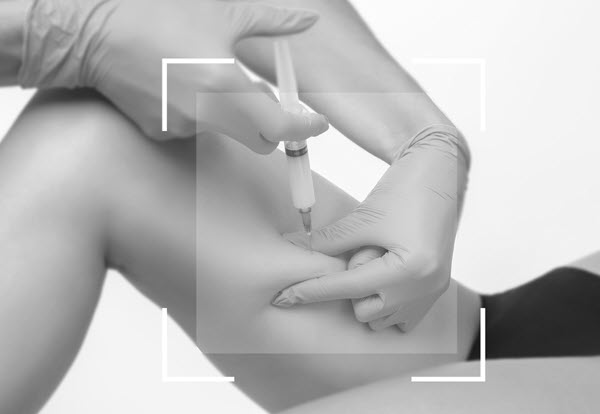
How to Choose the Right Site Safely
Choosing the best injection site is about fitting technique to anatomy. Here’s a practical decision framework I use with patients:
Step 1: Confirm the route on your prescription
- If your label or clinician specifies intramuscular, use an IM muscle site and angle appropriate for IM.
- If it specifies subcutaneous, use SC fatty tissue sites and pinch/skin approach as instructed.
Important: Don’t switch IM and SC sites or routes based on comfort alone. Different formulations or dosing schedules may be intended for a specific route.
Step 2: Avoid high-risk or problematic areas
- Do not inject into scar tissue, bruises, or irritated skin.
- Avoid areas with swelling or suspected infection.
- Rotate sites so you’re not repeating the same exact spot.
Step 3: Pick a site you can reliably identify and reach
Technique consistency matters more than theoretical “best.” In my experience, if a person can’t locate the landmarks correctly, that site stops being “best” quickly.
- If you’re self-injecting, outer thigh is often the most forgiving.
- If someone else injects you, upper outer arm or abdomen may be easier depending on your body type and the prescribed route.
- If you’re getting IM injections in a clinic, ventrogluteal is commonly used where correctly trained staff can locate it.
Technique Tips That Reduce Pain and Side Effects
Even when the correct site is selected, technique can make the experience smoother. These are the points that most reliably improve comfort in practice.
Use proper skin prep
Clean the area as instructed (typically with an alcohol swab) and let it dry. Injecting into a wet area increases sting and irritation for many people.
Rotate systematically
I recommend a simple rotation plan: choose a small grid of injection points within the same safe region, then move to the next point each dose. This helps reduce repeated trauma in one spot.
Needle length and angle should match the route
Needle selection and angle are not interchangeable. Using a needle that’s too short or an angle that doesn’t match the tissue depth can lead to superficial injection (often more irritating) or inconsistent delivery. Follow your clinician’s guidance or the training you received.
What “normal” can look like
Some localized soreness or mild redness can happen. However, repeated severe pain, spreading redness, warmth, pus, fever, or numbness should be evaluated promptly.
Pros and Cons: IM vs SC for B12 (What Many People Notice)
Both routes can be effective, but your experience may differ. Based on how patients often describe comfort and tolerability in clinical practice:
| Route | Common injection sites | Typical experience | When it’s often preferred |
|---|---|---|---|
| Intramuscular (IM) | Deltoid, ventrogluteal, vastus lateralis | May feel deeper; soreness can last longer for some people | When prescribed for IM delivery or when clinicians/packaging specify IM |
| Subcutaneous (SC) | Upper outer arm, abdomen, thigh (fatty tissue areas) | Often feels more superficial; tenderness may be localized | When prescribed for SC delivery or when it’s intended to be self-administered |
In other words: the “best place for b12 injections” is the correct route + safe site + consistent technique for your body and your plan—not the one that hurts the least on the first attempt.
FAQ
What is the best place for b12 injections for self-administration?
For many people, the outer thigh is a practical choice because it’s easier to access and offers a larger area for correct landmarking. The best site still depends on whether your B12 is prescribed IM or SC, so follow the route specified on your prescription and the training you receive.
Can I rotate injection sites within the same body area?
Yes. Rotation within a safe region (for example, within the outer thigh or a designated abdominal zone) helps reduce repeated local irritation. Avoid scar tissue, bruised areas, and any site that looks infected or inflamed.
When should I call my clinician about injection site reactions?
Contact your clinician if you experience severe or worsening pain, rapidly spreading redness, warmth, swelling, drainage/pus, fever, or numbness. Mild soreness for a short time can be normal, but progressive or systemic symptoms are not something to ignore.
Conclusion
The best place for b12 injections is the one that matches your prescribed route (IM vs SC), supports safe landmarking, and allows consistent site rotation. In my hands-on experience, the biggest improvements in comfort and reliability come from choosing a site you can identify correctly, avoiding irritated or scarred skin, and maintaining a steady rotation plan.
Next step: Confirm whether your B12 is intended for intramuscular or subcutaneous injection, then practice site identification with your clinician (or follow the training you were given) and set up a simple rotation schedule for your next doses.
Discussion