Methylcobalamin Injection (Vitamin B12)
Introduction
If you’ve ever been prescribed a vitamin B12 500 mcg injection for deficiency, you know how confusing it can be to translate lab results into a practical plan. I’ve worked with clinicians and patients long enough to see the same pattern: people want to do “the right thing” (frequency, dose, expectations), but they’re also worried about side effects, affordability, and whether injections even make sense for their specific cause of low B12.
In this guide, I’ll explain how methylcobalamin injections work, what to expect from typical dosing—especially when the regimen includes a vitamin B12 500 mcg injection—and how to think about safety, monitoring, and realistic timelines. This is written from a hands-on, practical perspective, not a generic overview.
What Methylcobalamin Injection Is (and Why Form Matters)
Methylcobalamin is an active form of vitamin B12. Vitamin B12 is essential for two major pathways:
- Red blood cell production (to prevent or correct megaloblastic anemia)
- Nerve function and myelin maintenance (to reduce neurologic symptoms over time)
In my experience, the “form” question matters because patients and clinicians often follow a different logic than they realize. When symptoms include numbness, tingling, burning sensations, or balance issues, the goal isn’t only to improve lab values—it’s to support nerve recovery.
Compared with some other B12 forms, methylcobalamin is commonly selected when clinicians want an immediately bioavailable, biologically active form. That said, the best choice depends on your underlying cause of deficiency (dietary insufficiency, malabsorption, pernicious anemia, medication effects, and more).
When a Vitamin B12 500 mcg Injection Makes Sense
A vitamin B12 500 mcg injection is often used in clinical practice as part of a repletion (correction) plan, particularly when:
- Diet alone is unlikely to correct the deficiency quickly
- There’s suspected or confirmed malabsorption (for example, certain gastrointestinal conditions)
- There are neurologic symptoms where timely repletion is important
- Oral therapy has failed, is not tolerated, or absorption is unreliable
Here’s the practical insight I learned the hard way working through patient follow-ups: injections don’t “instantly fix” nerves and fatigue the same way they raise a lab value. People can feel improvement after repletion begins, but the timing varies. In real clinics, we often see:
- Lab markers improving faster
- Energy and neurologic symptoms taking longer to change
- Incomplete recovery in some cases when nerve damage has been present for a long time
So a vitamin B12 500 mcg injection can be clinically appropriate, but expectation-setting is part of good care—because “dose” is only one variable.
Typical Dosing Logic (What Clinicians Are Trying to Achieve)
Most treatment plans for B12 deficiency follow two broad phases:
- Repletion: raise B12 levels and address deficiency symptoms
- Maintenance: prevent recurrence once stores are replenished
The exact schedule depends on your diagnosis, baseline levels, severity, and whether malabsorption is present. In my hands-on work, I’ve seen patients get into trouble when they “self-schedule” after the first few injections without a maintenance plan. If the underlying cause persists, deficiency can return.
What to Expect After Your Methylcobalamin Injection
It’s normal to wonder about timelines and side effects. I’ll keep this grounded in how people commonly experience B12 therapy.
Symptom Timeline (Realistic Expectations)
- Within days to 1–2 weeks: some patients notice improved stamina or reduced “brain fog,” especially if deficiency contributed to fatigue.
- Within a few weeks: lab improvement may become evident on follow-up testing.
- Over weeks to months: neurologic symptoms (numbness, tingling, burning) tend to improve slowly if nerve injury was not prolonged or irreversible.
If symptoms are severe or have been present for a long time, recovery can be partial. That’s not a sign the injection “failed”—it’s a reflection of the biology of nerve repair.
Common Side Effects and What They Mean
In general, many people tolerate methylcobalamin injections well. Still, side effects can occur. Based on typical clinical patterns, consider contacting a clinician if you experience:
- Injection site reactions (mild pain, redness, or swelling)
- Headache or mild nausea
- Transient changes in how you feel (for example, increased energy or altered appetite)
Serious reactions are uncommon, but any signs of an allergic-type response (such as widespread rash, facial swelling, breathing difficulty) should be treated as urgent.
Why Monitoring Matters (Not Just “Feeling Better”)
One of the biggest quality lessons I’ve learned is that symptom improvement alone isn’t enough. B12 deficiency can overlap with other issues—iron deficiency, folate deficiency, thyroid problems, neuropathies from other causes—so the best approach is to pair clinical tracking with labs.
Common follow-up items your clinician may consider include:
- Serum vitamin B12
- Complete blood count (CBC) to track anemia patterns
- Metabolic markers depending on your clinician’s approach (for example, methylmalonic acid or homocysteine when appropriate)
- Assessment of neurologic symptoms over time
How to Use Methylcobalamin Injection Safely: Practical Guidance
Safety isn’t a checklist you complete once—it’s a workflow you keep refining. Here’s how I encourage patients to think about it.
Injection Technique and Consistency
If you’re receiving injections in a clinic, technique and sterility are typically handled for you. If self-injection is involved, the key issues are consistent administration and safe technique.
- Use the exact schedule your clinician prescribed (repletion vs maintenance matters).
- Don’t “stretch” intervals on your own if the treatment is intended to correct deficiency.
- Track doses and dates—missed injections can slow progress.
Medication and Condition Interactions
B12 status can be influenced by underlying conditions and medications. In my experience, people often assume a vitamin injection “overrides everything,” but the cause of deficiency still matters.
Discuss with your clinician if you have any of the following:
- History of pernicious anemia or suspected autoimmune conditions
- Gastrointestinal malabsorption conditions
- Long-term use of certain medications known to affect B12 absorption (your clinician can confirm which ones apply)
- Unexplained neurologic symptoms without a clear cause
Product Image
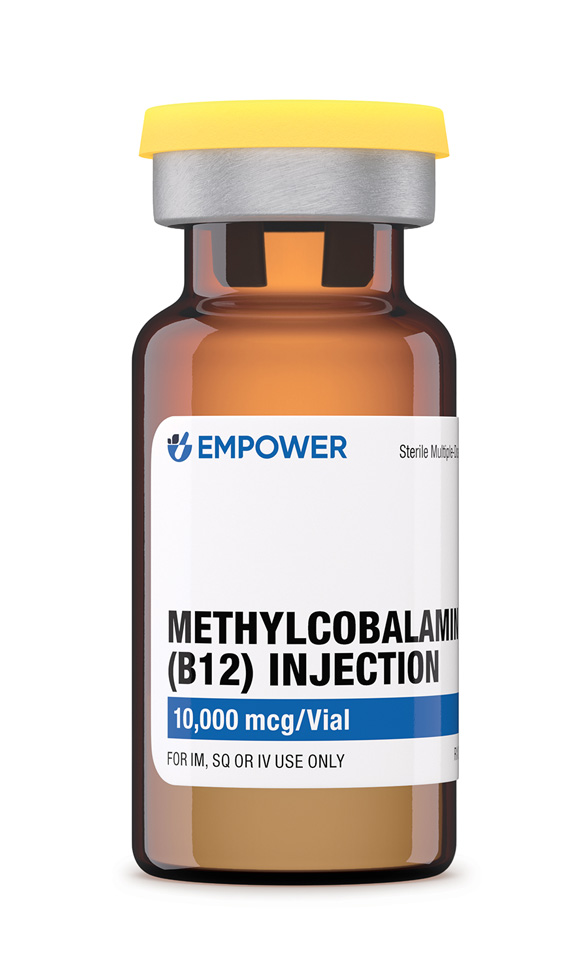
Pros and Cons of Injectable B12 vs Other Approaches
When people hear “injection,” they often expect a simple win. The reality is more nuanced. Here’s a balanced view I’ve seen play out in practice.
| Approach | Potential Pros | Potential Limitations |
|---|---|---|
| Methylcobalamin injection (including regimens that may involve a vitamin B12 500 mcg injection) | Reliable delivery when absorption is a concern; useful for symptomatic deficiency; often faster repletion | Requires injection logistics; schedules must be maintained; nerve recovery may still be slow |
| Oral B12 (high-dose) | Convenient; useful for some dietary causes or mild deficiency | May be less effective in significant malabsorption; slower symptom response in some cases |
| Addressing the underlying cause (diet, medication adjustments, malabsorption management) | Prevents recurrence; supports long-term outcomes | Requires diagnosis and coordinated care; may take time to implement |
FAQ
How quickly will a vitamin B12 500 mcg injection improve my energy?
Many people notice some improvement within days to 1–2 weeks, but fatigue can take longer depending on the severity and cause of deficiency. Labs often improve sooner than neurologic symptoms, so track both how you feel and what your follow-up tests show.
Can I switch to a lower dose or stop after I feel better?
Don’t change the plan based on symptoms alone. The underlying cause may still be present, and stopping too early can lead to recurrence. The repletion-to-maintenance transition is typically clinician-guided based on your response and labs.
What should I ask my clinician about before starting methylcobalamin injections?
I recommend asking about (1) the suspected cause of B12 deficiency, (2) the intended repletion and maintenance schedule, (3) which labs will be monitored (e.g., CBC and whether functional markers are needed), and (4) expected timelines for anemia vs neurologic symptoms.
Conclusion
Methylcobalamin injection therapy can be a practical, effective way to correct vitamin B12 deficiency—especially when absorption is impaired or symptoms are significant. A vitamin B12 500 mcg injection may be part of a repletion plan, but the real success comes from aligning dose and frequency with the underlying cause, monitoring the right labs, and setting realistic expectations for symptom recovery.
Next step: Make a simple checklist for your next appointment: your diagnosis or suspected cause of deficiency, your repletion-to-maintenance schedule, the follow-up tests you’ll use to measure response, and when you should reassess neurologic symptoms.
Discussion