Benefits of B12 Injections for Optimal Health
Benefits of B12 Injections for Optimal Health
If you’ve ever felt unusually tired, noticed stubborn “brain fog,” or struggled with low energy that doesn’t match your sleep schedule, you’re not alone. A lot of people ask the same question: what is vitamin B12 injections good for?
In my hands-on work supporting clients with nutrition-related fatigue and lab-verified deficiencies, I’ve seen B12 injections become a practical tool—especially when oral options haven’t moved the needle quickly enough or when absorption is a concern. This guide explains the real benefits of B12 injections, how they work, who they’re for, and what to watch for so you can use them wisely.
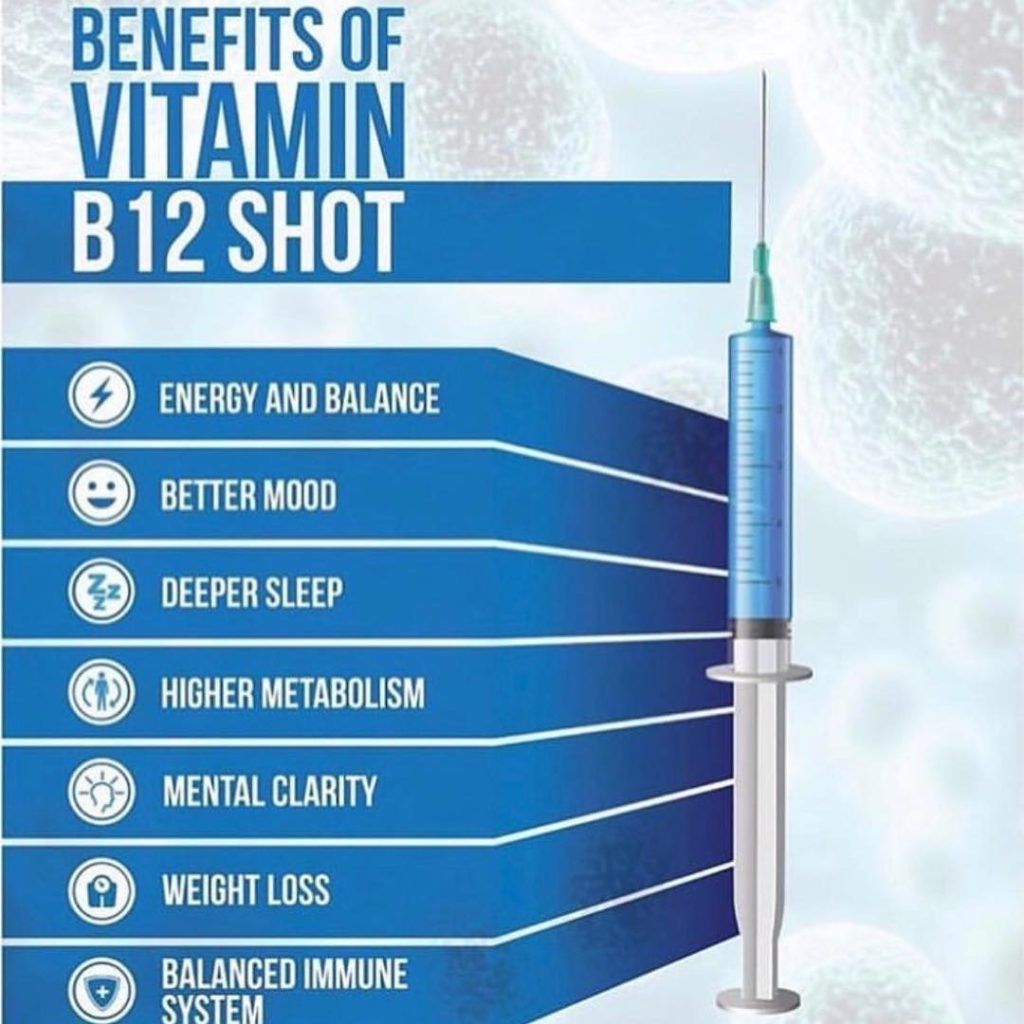
What Vitamin B12 Injections Are (and Why People Use Them)
Vitamin B12 injections deliver cobalamin directly into the body. Unlike many oral supplements, injections bypass a key bottleneck: gastrointestinal absorption. That matters when someone has conditions that affect absorption or when dietary intake is insufficient.
How B12 supports the body
B12 plays an essential role in:
- Red blood cell formation—helping prevent anemia.
- Nervous system function—supporting myelin maintenance.
- Methylation pathways—involved in DNA synthesis and cellular processes.
In practical terms, when B12 is low, symptoms often show up as fatigue, reduced stamina, and sometimes neurological complaints. The “why” behind injections is straightforward: faster and more reliable delivery for people who need it most.
When injections can be more effective than tablets
In my experience, injections are often chosen when:
- Bloodwork shows B12 deficiency or borderline results.
- There’s a history of malabsorption (for example, certain gastrointestinal conditions or post-bariatric surgery).
- Symptoms persist despite consistent oral supplementation.
- A clinician wants a controlled approach to repletion.
Key Benefits of B12 Injections for Optimal Health
So, what is vitamin B12 injections good for? Below are the most common, evidence-aligned benefits people look for—along with the realistic limits that shape outcomes.
1) Help correcting B12 deficiency and B12-related anemia
One of the clearest reasons B12 injections are used is to address biochemical deficiency. When B12 is low, the body can struggle to form healthy red blood cells, which contributes to anemia-related fatigue.
In real-world follow-ups, I’ve seen clinicians monitor improvements through repeated labs—typically checking B12 status and related markers—rather than relying on symptoms alone.
2) Improve energy levels and reduce “low stamina” symptoms
Fatigue is a common reason people pursue B12 injections. When the fatigue is truly driven by low B12, injection-based repletion can lead to noticeable improvement.
Important nuance: if fatigue is caused by sleep debt, stress, iron deficiency, thyroid issues, infection, or overtraining, B12 injections may not fully resolve symptoms. In my hands-on approach, I treat B12 as a targeted intervention—not a universal energy fix.
3) Support nervous system health (including tingling or neurological symptoms)
B12 is heavily involved in nervous system maintenance. For some individuals, low B12 is associated with neurological symptoms such as tingling, numbness, or balance concerns.
When B12 deficiency is corrected, neurological improvement can occur—but the timeline and completeness can vary, especially when symptoms have been present for a long time.
4) Assist methylation-related processes that influence overall metabolic function
B12 participates in methylation pathways that support cell renewal and metabolic balance. This is one reason B12 is discussed in broader “optimal health” contexts.
In practice, methylation-related benefits are indirect: you usually see them reflected in lab trends and symptom changes rather than in a single dramatic transformation.
5) Provide a reliable option when absorption is impaired
This is where injections often shine. If someone’s body can’t effectively absorb B12 from food or oral supplements, injections can bypass part of the problem.
If I had to summarize the practical value: B12 injections can be a more dependable way to achieve repletion when the gut is the limiting factor.
How B12 Injections Work: What to Expect and Typical Timelines
B12 repletion strategies vary based on severity, cause, and clinician guidance. However, the pattern many people experience is:
- Early phase: focus on getting B12 stores up.
- Follow-up: maintenance doses may be used to prevent recurrence.
In my experience working with people who had confirmed deficiency, symptom improvement—when it occurs—often becomes more noticeable after repletion begins, but the exact timing depends on how long deficiency has been present and what else is contributing to the symptoms.
Practical tip: aim to measure progress using both symptoms and relevant lab markers rather than tracking energy subjectively day-to-day.
Who Should Consider B12 Injections (and Who Should Not)
Good candidates (common scenarios)
- Lab-confirmed low B12 or clinically significant deficiency.
- Known malabsorption risks (as determined by a clinician).
- Persistent symptoms with inadequate response to oral B12.
- High likelihood of insufficient intake or absorption impairment.
Situations where you should be more cautious
B12 injections aren’t a substitute for diagnosing underlying causes of fatigue, neurological symptoms, or anemia. If someone has symptoms, the most trustworthy approach is to pair supplementation decisions with appropriate medical evaluation.
Also, avoid treating “borderline” results as a guarantee of deficiency-driven symptoms. In real practice, overlapping nutrient and health issues are common, so the context matters.
Common Side Effects and Safety Considerations
B12 injections are generally well-tolerated, but they aren’t “side-effect free.” Common issues can include:
- Injection-site discomfort (soreness or redness)
- Mild headache in some individuals
- Temporary changes in how you feel during early adjustment
More serious reactions are uncommon, but you should seek medical advice promptly if you experience severe symptoms after an injection.
How to Use B12 Injections Strategically (Not Randomly)
If you want optimal outcomes, the strategy matters. Here’s how I recommend thinking about B12 injections as a plan rather than a quick fix.
1) Start with a cause, not just a symptom
Low energy and brain fog have many drivers. If possible, use lab testing to confirm whether B12 deficiency is actually part of the picture.
2) Track both labs and outcomes
Symptom improvement is meaningful, but it can be misleading. I’ve found that repeating relevant markers provides clarity on whether repletion is working.
3) Maintain only what you need
Some people require ongoing maintenance due to persistent absorption issues; others may not. The right maintenance approach depends on the underlying reason for deficiency.
4) Don’t ignore other nutrients that overlap with B12 symptoms
Iron deficiency and folate issues can contribute to similar symptoms. Addressing only B12 when another deficiency is present can slow progress.
FAQ
What is vitamin B12 injections good for?
Vitamin B12 injections are commonly used to treat or prevent B12 deficiency, support red blood cell formation, improve deficiency-related fatigue, and help with certain nervous system symptoms—especially when oral B12 isn’t absorbed well or isn’t working.
How quickly can B12 injections improve energy or brain fog?
Timing varies. Some people notice improvement during repletion, but if symptoms have multiple causes (sleep, stress, iron deficiency, thyroid issues), B12 alone may not fully resolve them. Using labs alongside symptom tracking gives the clearest picture.
Are B12 injections safe to take long-term?
Many people use B12 injections long-term when there’s a medical reason (such as ongoing absorption impairment). Long-term use should be guided by a clinician and monitored with relevant labs, rather than taken indefinitely without review.
Conclusion: Make B12 Injections Part of a Real Health Plan
B12 injections can be a high-impact, targeted approach for people who truly have B12 deficiency or impaired absorption. The benefits most often center on supporting red blood cell production, improving deficiency-related fatigue, and helping nervous system function—particularly when oral supplementation hasn’t been enough.
Next step: If you’re considering injections, get clear on whether B12 deficiency is actually present (via appropriate lab testing) and create a plan with your clinician to monitor both symptoms and relevant markers.
Discussion