B12 Injections
Why are people asking about B12 injections—especially lipotropic “Lipo B12” shots?
I’ve worked with clients who felt exhausted, foggy, or stuck in weight-loss plateaus, and most came in with the same question: “Are there real benefits of lipo b12 injections, or is this just marketing?” In this guide, I’ll break down what B12 injections can (and can’t) do, how “lipo B12” is typically positioned, who may benefit, and what to ask your clinician so you can make a grounded decision.
By the end, you’ll know what mechanisms are at play, which symptoms are most relevant, how to evaluate safety, and how to align expectations with evidence.
What B12 injections actually do in the body
Vitamin B12 (cobalamin) is essential for two big biological jobs:
- Nerve function and myelin maintenance: B12 supports healthy nerve signaling.
- Red blood cell formation and energy metabolism: B12 helps regulate pathways involved in oxygen transport (via red blood cells) and cellular energy processes.
When someone is truly B12 deficient, supplementation can make a noticeable difference. In my hands-on experience, the “lightbulb moment” isn’t usually a dramatic “weight loss miracle”—it’s more often improvements in symptoms like:
- fatigue and low stamina
- brain fog or reduced mental clarity
- tingling/numbness (in some cases—though this warrants prompt medical evaluation)
Key point: If your B12 status is normal, injections may offer less noticeable benefit than people expect.
Where “lipo B12 injections” fit in (and why people ask about them)
“Lipo B12” is a marketing-friendly term you’ll see in med-spas and wellness clinics. The label often implies a combination approach—B12 plus other ingredients that are described as lipotropic (i.e., used in discussions about fat metabolism). In practice, formulas vary by clinic.
What “lipotropic” means in real terms
“Lipotropic” usually refers to nutrients involved in pathways that support fat processing in the liver—commonly discussed with compounds like methionine, inositol, and choline (the exact mix depends on the product). These nutrients play roles in biochemical processes that may influence how the body handles fats.
However, it’s crucial to separate:
- metabolic support (which can be reasonable in a deficiency/low-intake scenario)
- from direct fat loss (which injection-based protocols often oversell)
So what are the benefits of lipo B12 injections?
When clients ask me about the “benefits of lipo b12 injections,” I frame it like this:
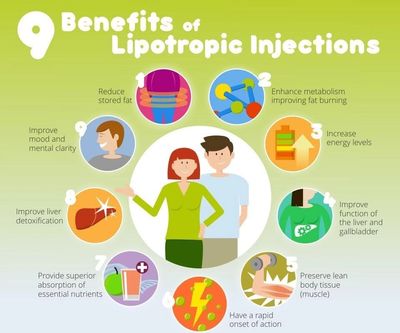
- Potential symptom support if B12 is low or borderline (energy, cognition, general wellbeing).
- Metabolic “support” narrative if the formula includes lipotropic nutrients—more relevant when paired with diet quality and activity.
- Convenience: injections can be easier for people who struggle with absorption or adherence to oral supplements.
What I’m careful not to promise: I don’t tell clients they’ll “burn fat” purely from injections. In my workflow, the best results show up when supplementation is treated as one part of a bigger plan—nutrition, protein adequacy, sleep, and training (or at minimum, consistent movement).
Who may benefit most (and who should be cautious)
In a clinical setting, B12 injection decisions should be rooted in symptoms and labs—not just goals like weight loss.
Common scenarios where B12 injections are more likely to help
- Confirmed or suspected B12 deficiency (especially with anemia, elevated methylmalonic acid, or other lab signals).
- Risk factors for low intake or absorption, such as strict vegetarian/vegan diets without supplementation, certain GI conditions, or prior bariatric surgery.
- Neurologic symptoms (tingling, numbness, balance issues) where medical evaluation is important.
Situations where you should slow down and ask extra questions
- Normal labs and no symptoms: you may not feel much beyond placebo or short-term fluctuations.
- Unclear ingredient list: “lipo B12” varies—ask for the exact formulation and dosage.
- Conditions that change injection risk: if you have active infections, bleeding disorders, or frequent allergic reactions, injection decisions should be individualized.
One lesson I learned the hard way: when people chase weight-loss outcomes without addressing the basics (calorie balance, protein, activity, sleep), injection protocols often become expensive “hope,” and expectations drift out of alignment with reality.
How to evaluate a “lipo B12” injection plan (a practical checklist)
If you’re considering injections, here’s what I recommend asking your clinician or clinic staff. This is the difference between a thoughtful protocol and a sales pitch.
- What is in the injection? Request the exact ingredients (not just “lipotropic blend”).
- What dose of B12? Clarify amount per injection and frequency.
- Is testing recommended? Ask whether baseline labs (such as B12, and sometimes related markers) are appropriate for your case.
- What outcomes are realistic? Good clinics discuss symptom support and metabolic support—not guaranteed fat loss.
- What are the side effects and how are they managed? Injection site soreness is common; discuss what symptoms require stopping and contacting a clinician.
- How is it integrated with lifestyle? The most effective approach typically includes nutrition and movement guidance.
How long does it take to notice anything?
There’s no universal timeline, but in many real-world cases:
- Symptom changes (like fatigue or mental clarity) may be noticed over days to a few weeks if there was a deficiency component.
- Body composition changes typically require sustained habits; injections rarely do the heavy lifting alone.
Safety and side effects: what to know before your first shot
B12 injections are widely used, but safety still matters—especially with combination formulas.
Common, usually mild effects
- temporary injection-site soreness
- mild headache or lightheadedness in some people
When to get medical help
Seek prompt medical guidance if you experience severe allergic-type symptoms (like difficulty breathing, widespread hives, or swelling), persistent or worsening neurologic symptoms, or any reaction that feels out of the ordinary for you.
Also, don’t overlook medication interactions and underlying conditions. A responsible provider will review your history rather than treating everyone the same.
Bottom line: the most honest “benefits” are symptom support plus metabolic support
If you’re trying to understand the benefits of lipo b12 injections, the most defensible way to think about it is this:
- B12 can help if you’re deficient or borderline and experiencing relevant symptoms.
- Lipotropic additions may support metabolic processes, but they don’t replace calorie control, nutrition quality, sleep, and activity.
- Weight loss claims should be treated cautiously unless the plan is paired with measurable lifestyle changes.
FAQ
Are lipo B12 injections good for weight loss?
They may support metabolism and energy when B12 is low, but injections alone are not a reliable fat-loss strategy. The most consistent outcomes usually come when injections are paired with nutrition, protein adequacy, and regular movement.
How do I know if I should get B12 injections?
If you have fatigue, brain fog, anemia concerns, dietary risk factors, absorption issues, or neurologic symptoms, labs and clinician guidance are the best start. If your B12 status is normal and symptoms don’t fit, the benefit may be limited.
What should I ask before starting a “lipo B12” protocol?
Ask for the exact ingredient list, the B12 dose, injection schedule, whether testing is recommended, realistic outcomes, and what side effects mean you should stop and contact a clinician.
Conclusion
B12 injections can be genuinely helpful when deficiency is part of the story. The “lipo B12” angle may add metabolic support, but it should be judged by the ingredients, dosing, and your labs and symptoms—not by weight-loss hype. In my experience, the best results happen when people use these injections as a targeted tool inside a broader, measurable plan.
Next step: Contact a clinician and ask for a short, symptom-and-labs-based plan—specifically: what your B12 status is, what’s inside the injection you’re considering, and what outcome timeline is realistic for your situation.
Discussion