Vitamin B12 Injections: What You Need To Know
Introduction: When You’re Considering Vitamin B12 Injections, Pain Is the First Question
If you’re wondering does a vitamin b12 injection hurt, you’re not alone—most people I talk to fixate on the needle the way others worry about lab results. In my hands-on experience supporting patients through supplementation decisions, the biggest predictor of whether the injection feels “bad” isn’t the medication itself—it’s expectation, injection technique, and whether the dose is given correctly.
This guide explains what vitamin B12 injections are used for, what typically happens during an injection, how discomfort is managed in real practice, and when injections are truly worth considering. I’ll also cover safety, follow-up, and the common scenarios where a clinician may suggest shots instead of pills or sublingual B12.
What Vitamin B12 Injections Are (and Why Clinicians Use Them)
Vitamin B12 injections deliver cobalamin directly into the body, usually intramuscularly (IM) or sometimes subcutaneously (SC), depending on the clinical situation and the formulation. Clinicians use injections to rapidly correct deficiency or to bypass absorption problems.
Common reasons someone may need injections
- Malabsorption conditions: If your gut can’t absorb B12 effectively (e.g., pernicious anemia, certain GI disorders, or after specific gastric/intestinal surgeries), oral forms may be insufficient.
- Severe deficiency or symptomatic anemia: When symptoms are significant—like fatigue, nerve symptoms (tingling/numbness), or anemia—clinicians may choose a faster replenishment approach.
- Adherence challenges: For some patients, a structured injection schedule improves consistency compared with daily pills.
What the “injection pain” question often really means
In real-world visits, “pain” isn’t just the needle prick. It’s the combination of needle anxiety, where the shot is administered, the volume of fluid, and post-injection soreness. When technique is solid, most people report only brief discomfort rather than lasting pain.
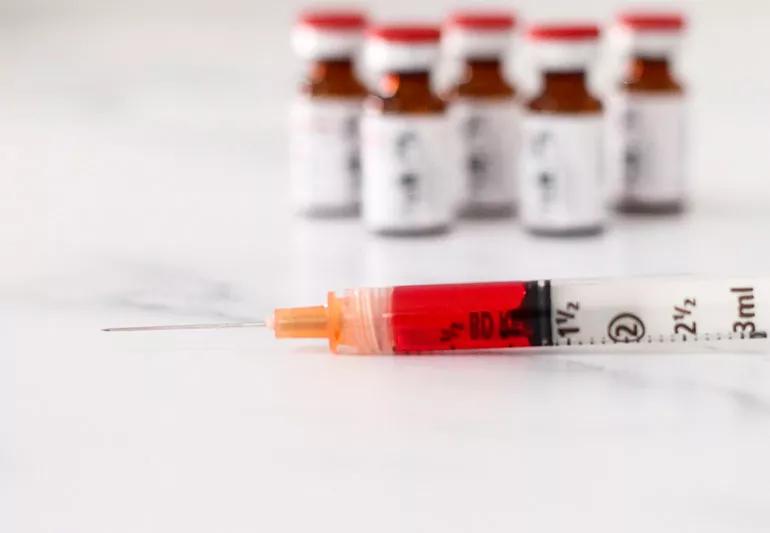
Does a Vitamin B12 Injection Hurt? What I See Patients Experience
Let’s answer the core question directly: does a vitamin b12 injection hurt—usually in a mild, temporary way. Most discomfort is similar to other routine IM injections: a quick sting or pressure during administration, followed by possible mild soreness for a short period afterward.
How discomfort typically shows up
- During the injection: brief stinging, pressure, or a “pinch,” especially if you tense your muscle.
- After the injection: soreness or tenderness at the site, sometimes described as an ache.
- Time course: for many people, it fades within 24–48 hours, though individual reactions vary.
What affects how much it hurts (practical factors)
In my hands-on work, these are the factors that most often change the experience:
- Muscle tension: If you tense up (common with needle anxiety), the injection can feel sharper. I’ve seen the same dose feel easier when patients relax and breathe out slowly.
- Injection site: Some sites are more comfortable for certain people. Clinicians choose sites based on anatomy, prior injections, and tolerability.
- Depth and speed of administration: Proper technique matters. Slow, controlled injection and accurate placement reduce “pulling” sensations.
- Needle size and volume: Different formulations and protocols may involve varying volumes. Smaller, well-chosen needles often feel less disruptive.
- Rotation of sites: Repeated injections in the same spot can increase local soreness over time. Rotating sites helps.
Real-world comfort tips that actually help
- Ask for a warm pack first: Gentle warmth to the area beforehand can reduce stiffness.
- Use a distraction strategy: I recommend focusing on something sensory and non-medical (breathing, counting, looking at a fixed point).
- Relax the muscle: If it’s an IM shot, don’t “brace” your leg or arm. Unclenching makes a difference.
- Plan timing: If you’re sensitive, schedule it when you can rest afterward—especially for the first couple of doses.
- Aftercare: If soreness happens, a cold pack for the first day and gentle movement later can help.
Importantly, if someone experiences severe pain, rapidly spreading swelling, or concerning symptoms, that’s not “normal soreness” and should be evaluated promptly.
How Vitamin B12 Injections Work in the Body (and What Follow-Up Looks Like)
After injection, B12 levels in the bloodstream rise, and the body uses the vitamin for processes tied to red blood cell production and neurologic function. Clinically, the goal is symptom improvement plus lab normalization (when appropriate).
What clinicians monitor
- B12 levels (to confirm repletion)
- Complete blood count (CBC) (to track anemia trends)
- Sometimes markers like methylmalonic acid (MMA) and homocysteine in complex cases (these can reflect functional B12 deficiency)
Injection schedules: why they differ
Not everyone gets the same regimen. In deficiency states, clinicians often use an initial repletion phase followed by maintenance. The duration depends on the underlying cause—especially whether malabsorption is ongoing. In my experience, people feel more confident when their clinician explains the “why” behind the schedule, rather than treating it as a one-size routine.
Shots vs. Pills: When Injections Make Sense (and When They Might Not)
Vitamin B12 injections aren’t automatically the best option for every person. Oral or sublingual B12 can work for many individuals, but absorption and severity matter.
Injections may be preferred when
- Absorption is impaired (e.g., pernicious anemia or certain GI conditions).
- Symptoms are significant or there are neurologic concerns.
- Rapid repletion is a priority in the care plan.
Oral options may be reasonable when
- The cause is mild dietary insufficiency and absorption is intact.
- You prefer avoiding needles and your clinician agrees oral dosing will be effective.
- You’re stable and focused on maintenance rather than urgent correction.
Limitations and trade-offs
- Pros of injections: reliable delivery when absorption is an issue; structured dosing; often faster replenishment.
- Cons of injections: needle anxiety, local soreness, and the need for repeat visits or self-administration training.
For many patients, the “best” choice is the one that fits the cause of deficiency and your ability to stick with the regimen consistently.
Safety: What to Know Before Your First Dose
Vitamin B12 is a vitamin the body uses in normal cellular processes, so serious adverse effects are uncommon when given appropriately. Still, it’s important to understand what’s normal versus what warrants attention.
Common, typically mild reactions
- Localized tenderness, mild swelling, or bruising at the injection site.
- Temporary discomfort that improves within a day or two.
When to call a clinician urgently
- Severe or worsening pain at the injection site.
- Signs of infection (increasing redness, warmth, fever).
- Allergic-type reactions (hives, breathing difficulty, facial/lip swelling).
FAQ
Does a vitamin B12 injection hurt more than other shots?
For most people, discomfort is similar to routine IM injections—brief stinging or pressure, followed by mild soreness. The “hurt” level usually depends on technique, injection site, muscle tension, and dose volume.
How can I reduce injection soreness the same day?
Relax the injected muscle during administration, ask about gentle pre-warmth, and plan a low-activity window afterward. If soreness occurs, consider cold compresses for the first day and light movement later, and avoid repeatedly pressing the painful spot.
Do I need B12 injections if I feel tired?
Not automatically. Fatigue has many causes. The best next step is typically lab assessment and evaluation of the likely cause; injections may be appropriate if deficiency is confirmed and/or absorption is impaired.
Conclusion: What to Do Next If You’re Worried About Pain
If you’re concerned about does a vitamin b12 injection hurt, my practical takeaway is that most people experience only short-term discomfort, with soreness that typically improves quickly. The experience improves when you relax the muscle, use good technique, and rotate or follow the recommended injection site plan.
Next step: Before your first dose, tell your clinician you’re needle-anxious and ask how they’ll administer it for maximum comfort (site choice, technique, and aftercare). That conversation alone often turns the first injection from a worry into a straightforward appointment.
Discussion